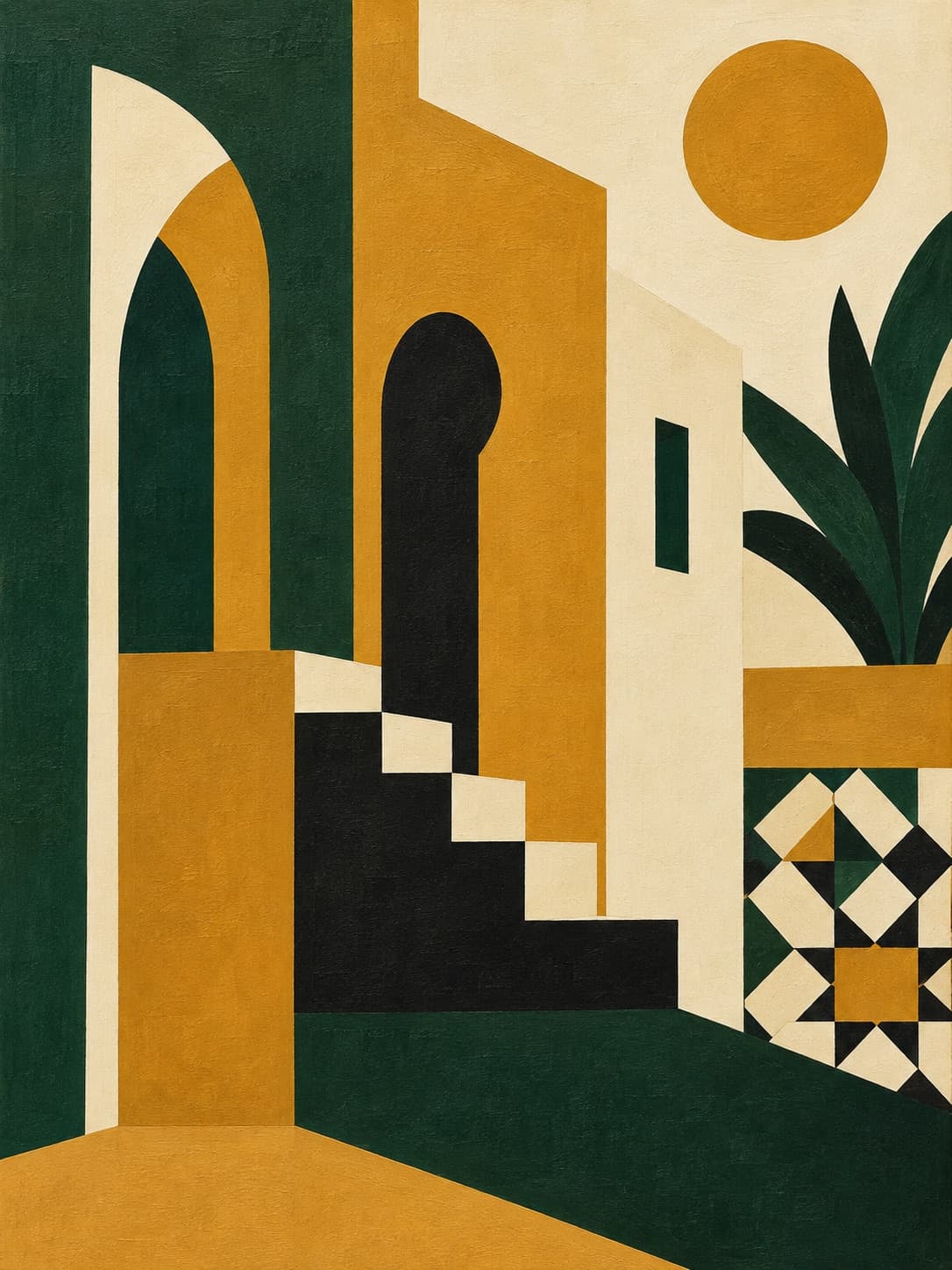
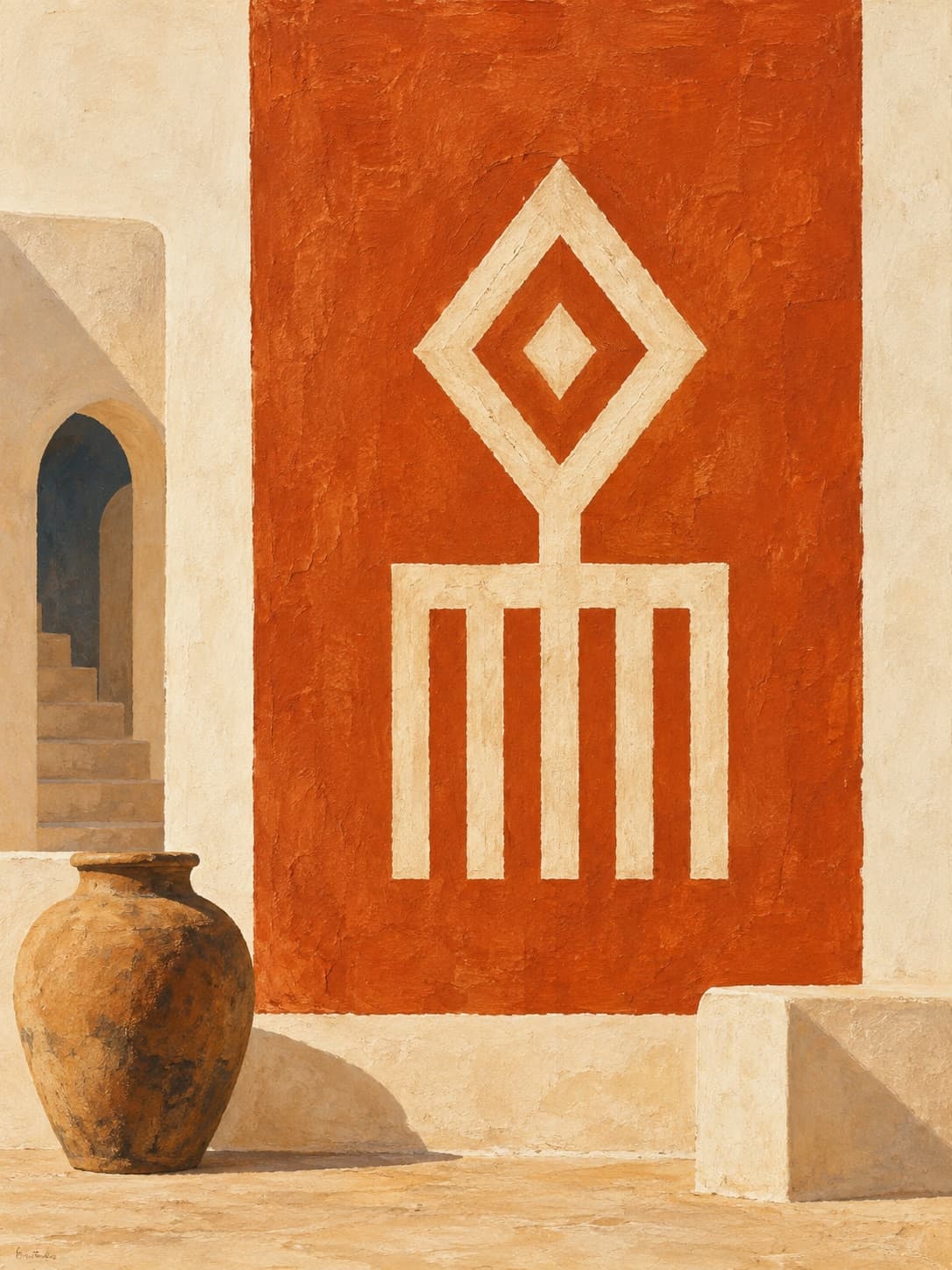
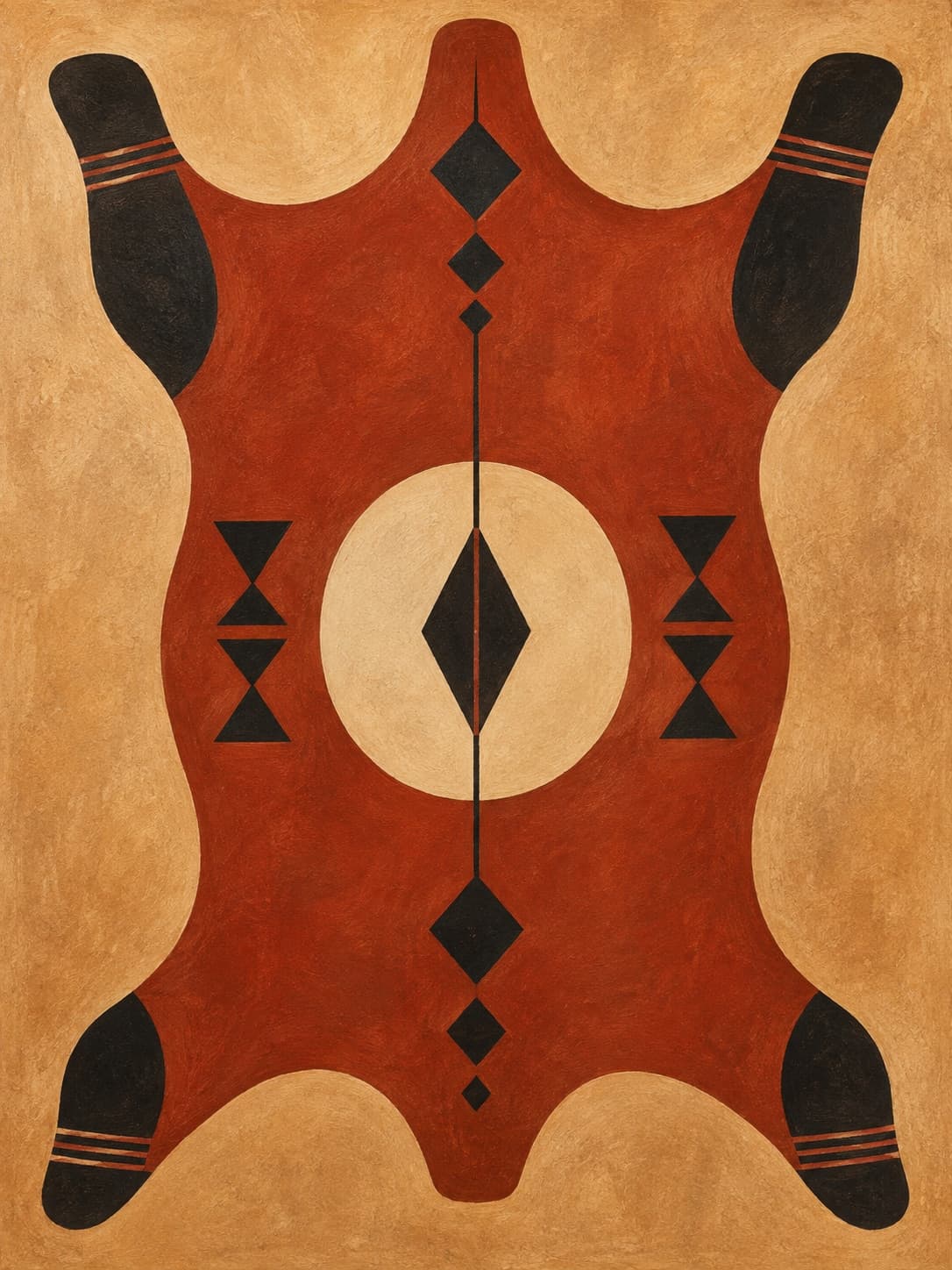
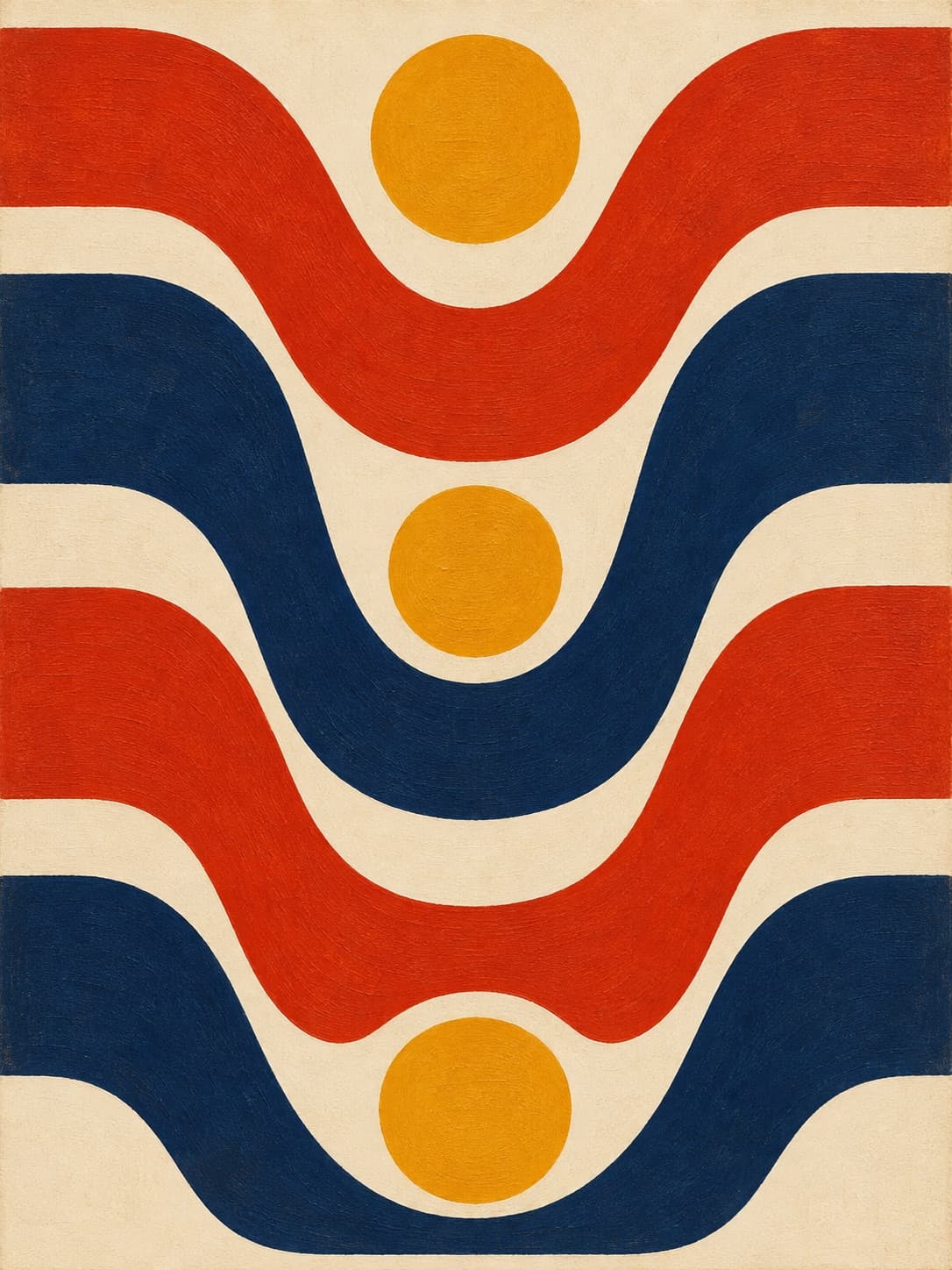
The Terrace Wave
Print temporarily unavailable. Explore and save this artwork.
black with a mount · Casablanca · Grammar of 1962 onward
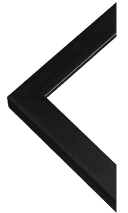
Black · actual frame finishProdigi’s product photograph. Flat 20 mm face, 22 mm depth, with a snow-white mount.
The complete artwork fits inside your selected size and mount, with white space where proportions differ. Screen colours and regional dimensions can vary slightly.
Saved artworks stay on this device. My artworks → Gallery favourites in My Studio.
What arrives in the box
- Moulding
- Classic satin-laminated wood, 20 mm face and 22 mm depth
- Glaze
- Acrylic / Perspex, matching the exact framed SKU we order
- Mount
- 2.4 mm snow-white conservation board, sustainably sourced and acid-free
- Mount width
- About 50 mm on every side, derived from the live artwork area
- Paper
- Enhanced Matte Art paper, 200 gsm, printed giclée
- Hanging
- Delivered framed and ready to hang, with a Cobra hook at these sizes
When prints reopen
- Giclée on 200gsm enhanced matte art paper
- Produced to order by our print partner and posted to you
- Framing is optional, and framed prints arrive ready to hang
See it framed

About this composition
The wave is the form the Casablanca painters kept returning to: a hard-edged band, flat colour, no modelling, borrowed from craft rather than from Europe. In 1962, six years after independence, Farid Belkahia took over the Casablanca art school and threw out the colonial syllabus; with Melehi, Chabâa, Toni Maraini and Bert Flint he built a modernism out of zellij, carpets and tattoos, and explicitly against orientalist figuration. None of their canvases are reproduced here and none can be. The argument is what we take.
Inspired by Moroccan modernism
Read the cultural provenance
The artists of this movement are still in copyright and none of their paintings are reproduced here. What we take is the grammar — the flat fields, the hard edge, the refusal of the easel — the way a painter takes a manner without taking a picture.
A contemporary Berbernest composition. Save it to revisit while prints are unavailable.