Guide · The photograph
The photo that makes the portrait
Everything in the finished painting that is them comes from one photograph. It is the only part you control, and it is worth two minutes.
· updated
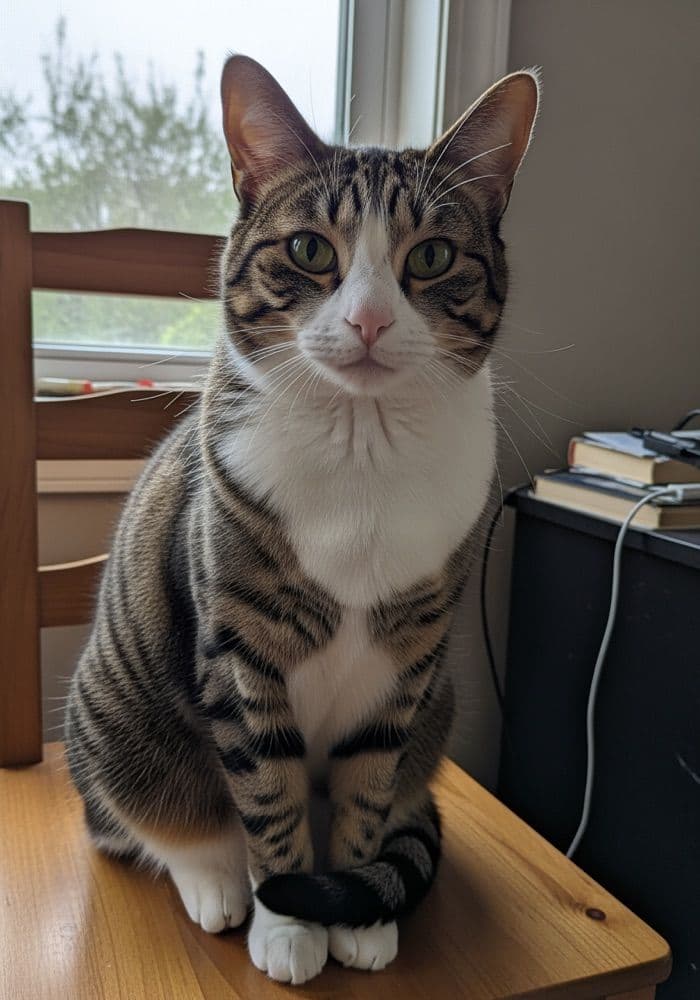
The photograph

The portrait
The one rule
Eyes, nose, ears, markings — all visible.
If you remember nothing else: the face must be clear. The studio reads the animal from the face and the coat pattern, and it cannot invent what it cannot see. A photograph where one eye is hidden, the nose is turned away or the ears are cropped gives it less to work with, and the painting will be a good guess rather than a likeness.
- Eye level. Crouch. A photograph taken from standing height foreshortens the body and makes the head look small; from their eye level the proportions are true.
- Face forward, or a clean three-quarter. Both eyes visible. A profile loses one eye and half the markings.
- Close, but not cropped. The head and shoulders filling most of the frame, with both ears inside it.
- Sharp. Tap the screen on their eye before you take it. Motion blur on the face is the most common reason a photograph is refused.
Light
Daylight, indirect, from the side or the front.
Natural light reads coat colour truthfully; a tungsten bulb turns a white coat yellow and a black coat brown, and a flash flattens everything and puts a green reflection in the eyes. The best light is a window or an open door on an overcast day, or shade outdoors. Direct midday sun is harsh but usable if the face is not half in shadow.
Very dark photographs lose the markings; very bright ones lose pale fur. The studio’s photo check tells you which of these it sees. A dark coat needs more light than you think — the reason the olive-shade park uses light chosen for a dark coat is the same reason a black dog needs a bright photograph. There is a whole guide on that.
Phone or camera
A phone is enough. Size is what matters.
Any phone made in the last several years takes a photograph far larger than the studio needs. What matters is that you send the original, not a copy that has been through a messaging app, which shrinks and re-compresses it. The check accepts JPG, PNG and WebP up to 25 MB; iPhone HEIC files need exporting as JPEG first.
The short side of the photograph should be at least 600 pixels; 900 or more holds noticeably more detail in the fur. A screenshot of a photograph is almost always too small. So is a photo cropped down from a distant shot — crop by walking closer, not afterwards.
What the studio checks
Two checks, before a painting is spent.
When you add a photograph, the studio measures it in your browser — size, edge detail on the face, overall brightness — and gives you a score with plain notes: too small, check the eyes for blur, mostly dark. You can compare two photographs side by side and keep the better one. Nothing has been uploaded yet at this point.
When you ask for the painting, the studio looks at the photograph once more before spending a preview on it: is there one animal, is its face readable, is it an animal that can stand in a place? A photograph it cannot read is refused with a reason, rather than painted into a confident stranger. A refused photograph does not use one of your free previews.
Four real pairs
What ordinary photographs became.
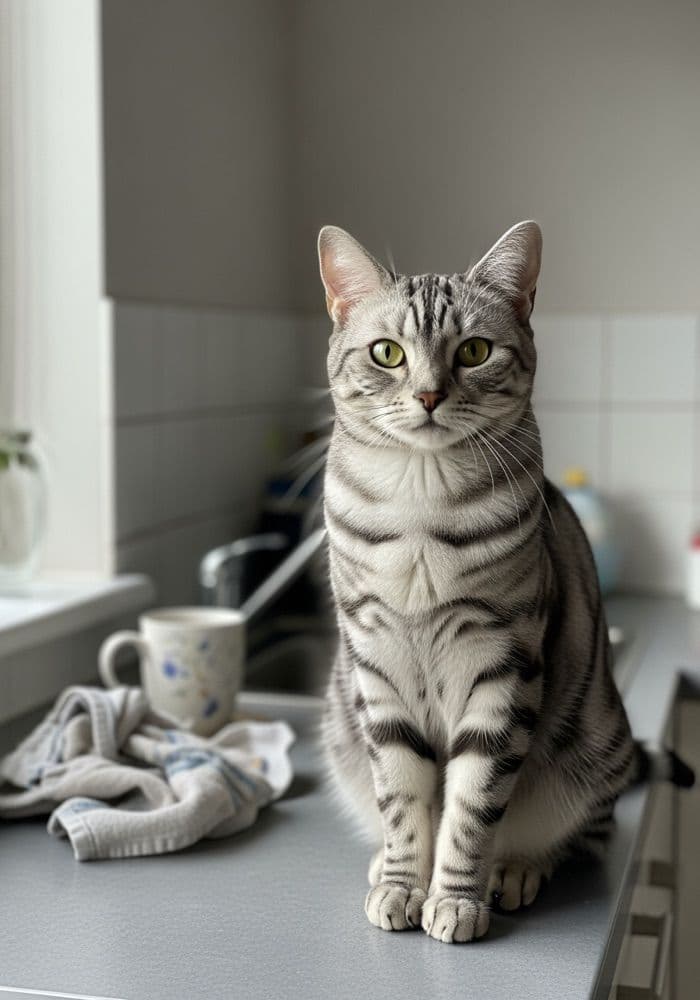
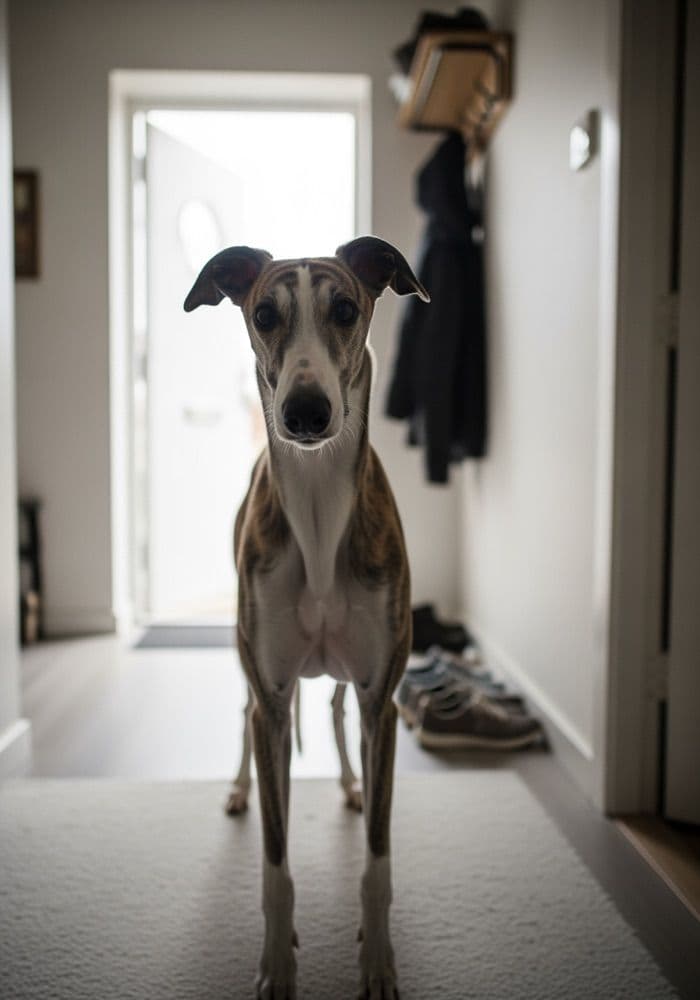
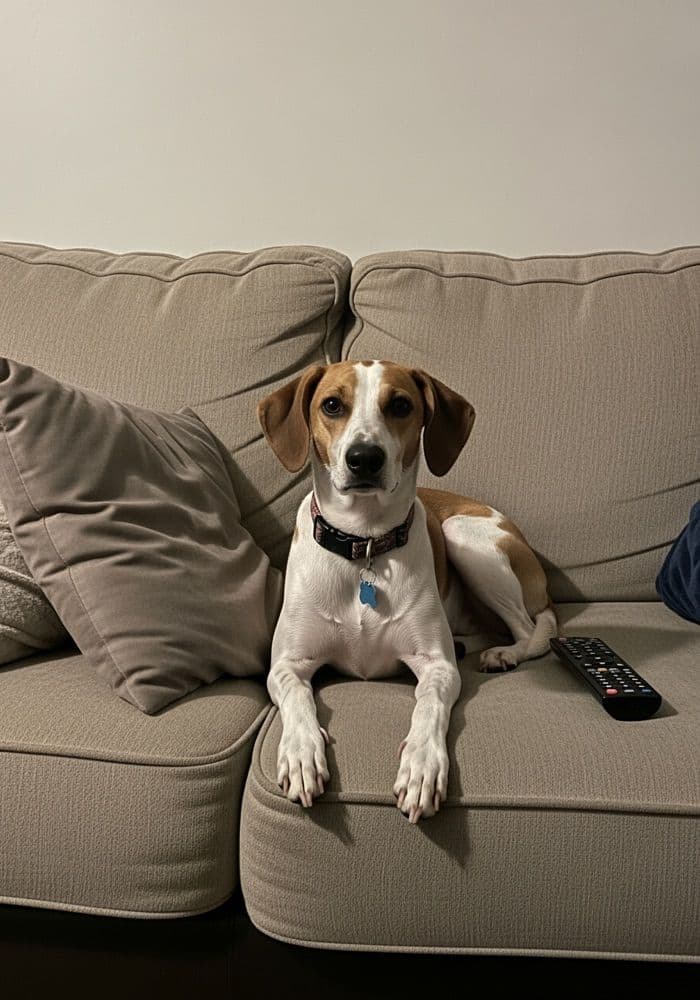
These are the studio’s own demonstration pairs — real phone photographs and the portraits made from them. None of them is a customer’s commission and none was taken with any care.



When you cannot take a new one
Old photographs, scans and the one that is gone.
Choose the sharpest, not the most recent. A print scanned at a high setting is fine if the face is clear; a photograph of a photograph, taken with a phone under a lamp, usually is not — glare and the lamp’s colour get painted in. If a scan is all you have, scan it in daylight or on a flatbed, at the largest size the scanner offers.
If the result is not quite them, the correction box under every painting takes a sentence — the white was only on the chest — and the repaint is free. For a pet who has died, the memorial page says how the studio handles it.
The short version
- Crouch to their eye level.
- Face forward, both eyes and both ears in the frame.
- Daylight from a window or shade; no flash.
- Tap to focus on the eye; take three and keep the sharpest.
- Send the original file, at least 600 pixels on the short side.
- Let the studio’s check tell you if it needs another.
See it on your own pet
Upload one clear photograph, choose a place, and look at the painting before anything is owed. First two previews free, no account or card; the full-resolution file is €15.
Try it on your own photo, free